
HOW TO FIND GREAT LOCAL FOOD WHEN YOU TRAVEL


Food can be one of the most memorable parts of traveling. A simple meal at a neighborhood café, a busy food market, or a family-run restaurant can introduce you to local ingredients, traditions, and flavors in a way that sightseeing alone cannot.
Finding those experiences, however, sometimes takes a little effort. Restaurants near major attractions may cater primarily to visitors, while memorable local spots can be hidden several streets away. With some research and curiosity, you can discover food that adds another dimension to your trip.
RESEARCH LOCAL SPECIALITIES BEFORE YOU GO
Before traveling, learn about dishes, ingredients, drinks, and desserts associated with your destination. Knowing a few local specialties gives you something specific to look for once you arrive.
Save a short list on your phone rather than planning every meal. This gives you direction while leaving room to discover restaurants, markets, and dishes unexpectedly.

EXLPORE BEYOND MAJOR TOURIST AREAS
Restaurants beside famous landmarks can be convenient, but walking a few blocks away may reveal a completely different dining scene. Residential neighborhoods and local commercial streets can offer cafés, bakeries, casual restaurants, and food stalls used by people who live nearby.
Exploring beyond tourist centers can also show you more of the destination. A neighborhood lunch may become part of a memorable afternoon of wandering local streets and shops.

VISIT LOCAL FOOD MARKETS
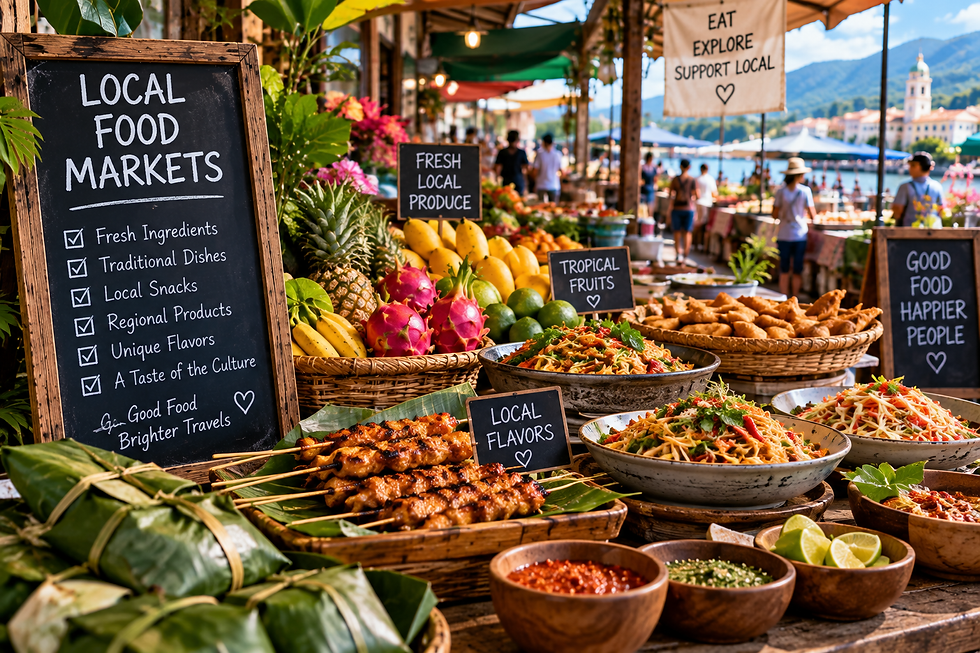
Markets are excellent places to experience the flavors of a destination in one location. Depending on where you travel, you might find fresh produce, seafood, baked goods, spices, prepared meals, street snacks, and regional products.
Take time to browse before choosing what to eat. Seeing which stalls attract steady activity can also help you discover popular foods you might otherwise overlook.
ASK PEOPLE WHO LIVE THERE
Local recommendations can lead you to places that may not appear prominently in travel guides. Hotel employees, tour guides, shopkeepers, taxi drivers, and other people you meet can sometimes suggest restaurants they personally enjoy.
Try asking where they would go for a particular local dish rather than simply requesting the “best restaurant.” A more specific question may produce a more useful recommendation.
LOOK FOR RESTAURANTS WITH FOCUSED MENUS
A restaurant does not need a huge menu to provide a memorable meal. Places specializing in a handful of dishes may offer an opportunity to try foods closely associated with the area.
Pay attention to menus featuring seasonal ingredients and recognizable regional specialties. If you are unfamiliar with something, asking the staff about it can also help you learn more about local food traditions.
TRY STREET FOOD CAREFULLY
Street food can be an affordable and enjoyable way to experience local flavors. Busy stalls preparing food to order can offer everything from grilled meats and noodles to pastries, sandwiches, and fresh snacks.
Use reasonable food-safety judgment when choosing vendors. Look for clean preparation areas, properly stored ingredients, and food that is cooked thoroughly when appropriate.
LEAVE ROOM FOR SPONTANEOUS DISCOVERIES
Online reviews and travel guides are useful, but they do not need to determine every meal. Sometimes a busy bakery you notice during a morning walk or a waterfront restaurant discovered after sightseeing becomes a favorite.
Keep several meals unplanned so you can follow recommendations and explore places that catch your attention. Flexibility is part of what makes food-focused travel enjoyable.
FINAL THOUGHTS
Finding great local food while traveling is about more than choosing highly rated restaurants. Markets, neighborhood cafés, street stalls, bakeries, regional dishes, and recommendations from local people can all provide memorable experiences.
Do some research before leaving, but stay curious after you arrive. Trying something unfamiliar or following a spontaneous recommendation may introduce you to a dish you remember long after the vacation ends.
Comments