
How to Recognize When Everyday Stress Is Becoming Too Much

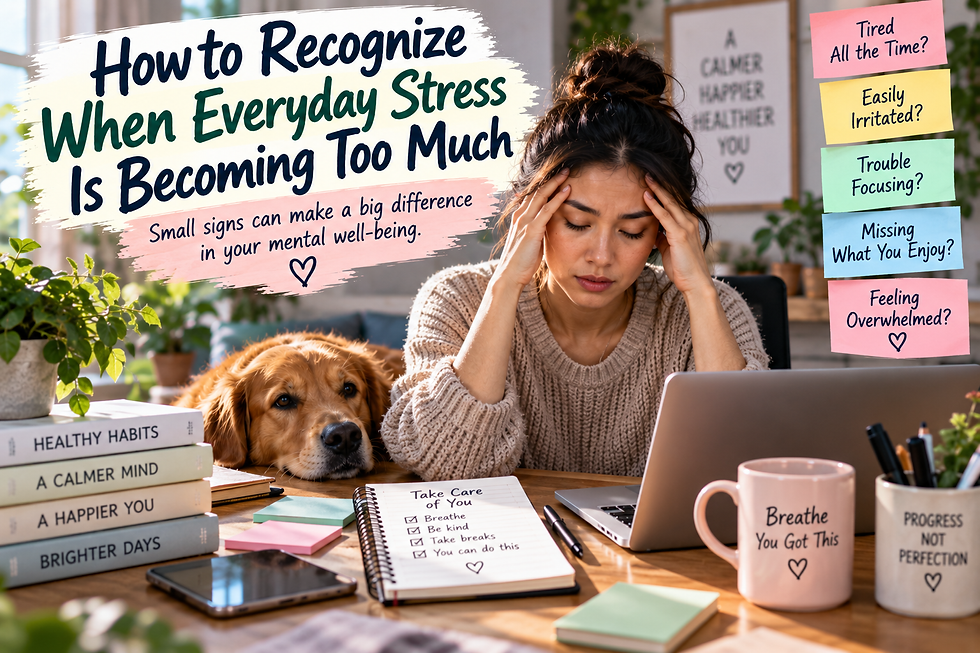
Stress is a normal part of life. Work deadlines, family responsibilities, finances, health concerns, and unexpected problems can all create pressure from time to time. Usually, you find a way through the situation and eventually feel like yourself again.
But everyday stress can sometimes build gradually. You may become so accustomed to feeling busy or overwhelmed that you do not immediately notice how much it is affecting you. Recognizing the signs can help you decide when it is time to slow down, make changes, or seek additional support.
You feel tired even after resting
A stressful week can leave anyone feeling exhausted. However, ongoing stress may make it harder to feel refreshed even when you have had time to rest.
You might wake up already thinking about everything you need to accomplish or struggle to switch off at night. Pay attention when tiredness starts becoming part of your normal routine rather than something that follows an unusually demanding day.

Small problems feel much bigger
One sign that you are carrying too much stress is when ordinary inconveniences begin feeling unusually difficult.
A traffic jam, misplaced item, unexpected email, or change of plans might normally be frustrating but manageable. When you are already overwhelmed, those small problems can feel like the final thing you can handle.
Becoming more irritable or impatient does not automatically mean something is seriously wrong. It can simply be a useful signal that you need more rest, space, or support.

You have trouble concentrating
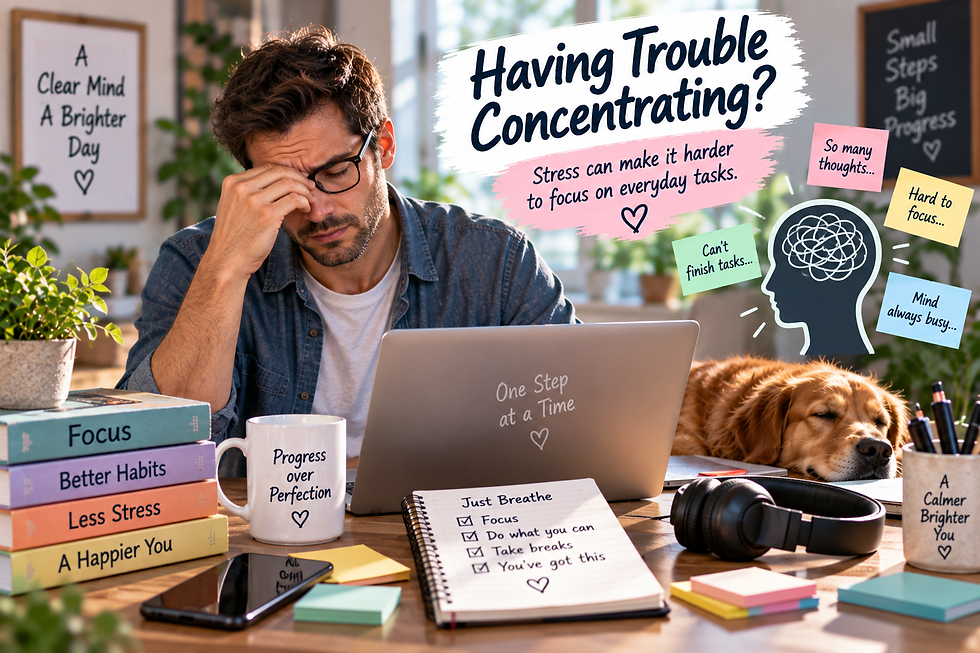
Stress can make it difficult to focus on what is directly in front of you. You may read the same paragraph repeatedly, forget small tasks, struggle to make decisions, or jump between responsibilities without finishing them.
If your mind constantly feels occupied by worries or an endless mental to-do list, consider whether you have enough opportunities to disconnect.
Writing tasks down, taking short breaks, or reducing unnecessary commitments may help create some breathing room.
You stop making time for things you enjoy
Busy periods sometimes require you to put hobbies and social plans aside temporarily. The problem comes when everything enjoyable repeatedly disappears from your schedule.
You may stop walking, gardening, reading, meeting friends, or doing other activities that usually help you relax.
Look at how your time is being divided. Even a small amount of time for something enjoyable can provide a valuable break from responsibilities.
Your usual routines begin to change
Stress can show up in everyday habits. You might notice changes in your sleep, appetite, exercise, social life, or motivation to complete normal responsibilities.
One unusual day is rarely meaningful on its own. Patterns are more useful to notice. If changes continue or begin interfering with work, relationships, or everyday life, they deserve attention.
You feel like you are always “on”
Everyone needs moments when they are not solving problems, answering messages, working, or taking care of someone else.
If you find it difficult to relax without feeling guilty or constantly feel that another task needs your attention, your schedule may need more boundaries.
Start small. Take a walk, put your phone away during dinner, spend time outside, or leave part of your evening unscheduled.
Everyday stress does not always disappear immediately, but you do not have to ignore it when it starts becoming overwhelming. Pay attention to changes in your energy, concentration, routines, and ability to enjoy daily life. If stress feels persistent, difficult to manage, or significantly affects your everyday functioning, consider talking with a qualified mental health professional or healthcare provider.
Comments