
Why Dogs Become Such an Important Part of the Family


Dogs have a way of becoming much more than pets. They share our homes, become part of our routines, join family celebrations, and somehow learn exactly when we need a little extra company.
Over time, feeding the dog or taking a daily walk becomes only a small part of the relationship. Dogs become companions whose presence is woven into everyday family life, which helps explain why the bond can become so meaningful.
They Are Part of Everyday Life
Dogs are there for many of the ordinary moments that make up a family's life. They may greet you when you come home, sit nearby while you watch television, follow you into the kitchen, or wait patiently for their evening walk.
These small interactions happen repeatedly, creating familiarity and attachment. Before long, planning the day often includes thinking about the dog's meals, exercise, comfort, and needs just as naturally as other household responsibilities.

Dogs Offer Consistent Companionship
One reason people become deeply attached to dogs is their companionship. A dog does not need an elaborate activity to enjoy being with you.
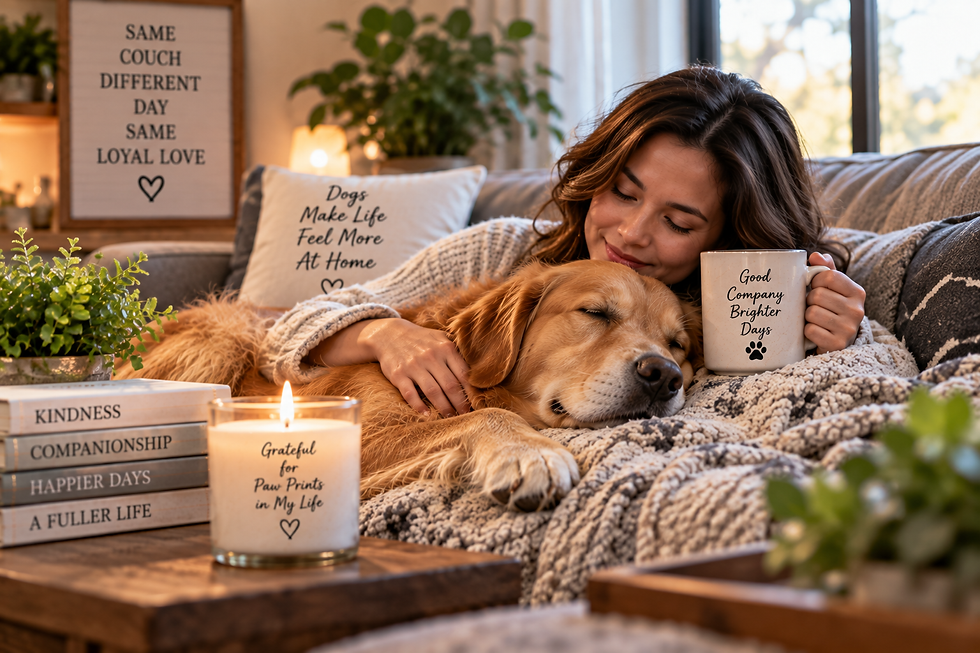
They may simply lie beside your desk while you work or curl up near you at the end of a difficult day. That quiet presence can make a home feel less empty, particularly for someone who spends significant time alone.
They Create Shared Family Memories
Dogs often appear in the background of important family memories. They are there for birthdays, holidays, vacations, moves, new homes, and lazy weekends.
Families may also develop traditions around them, from special birthday treats to favorite walking routes. Years later, remembering a particular period of life can bring back memories of the dog who experienced it alongside everyone else.

Caring for Them Brings Families Together
Dogs depend on people for food, exercise, grooming, veterinary care, and attention. Sharing these responsibilities can give family members another reason to work together.
Children can also participate in age-appropriate tasks such as filling a water bowl or helping prepare food under adult supervision. These routines can provide practical opportunities to learn about consistency, kindness, and caring for another living creature.
They Have Their Own Personalities
Anyone who has spent time around dogs knows how different their personalities can be. One may be energetic and curious, while another prefers sleeping in the same sunny spot every afternoon.
Families learn these individual habits, preferences, and quirks. They know which toy is the favorite, what sound means someone is at the door, and exactly where the dog will appear when food is being prepared. These recognizable traits make the relationship feel personal.
They Stay With Us Through Different Seasons
Family life changes. Children grow older, people change jobs, households move, and routines shift. A dog may remain part of the family through several of these transitions.
Their familiar presence can provide continuity while everything else changes. This is also why losing a dog can bring genuine grief. You are not simply missing an animal. You are adjusting to the absence of a companion who occupied a real place in your daily life.
Final Thoughts
Dogs become important members of the family through thousands of small moments rather than one dramatic event. Daily walks, familiar greetings, shared routines, funny habits, and quiet companionship gradually create a strong bond.
They depend on us for care, but the relationship often gives something meaningful in return. A dog can become part of a family's memories, routines, and sense of home, making it easy to understand why so many people consider them family.
Comments