
Why Lifestyle Creep Can Quietly Derail Your Finances


Getting a raise or earning more money can feel like a chance to finally breathe financially. You may upgrade your apartment, eat out more often, replace your car, or add conveniences that once felt unnecessary. Individually, these choices may seem reasonable.
The problem begins when spending consistently rises alongside income. This pattern is often called lifestyle creep, and because it usually happens gradually, you may not notice how much it is affecting your finances.
Lifestyle Creep Happens Gradually
Lifestyle creep rarely means suddenly making one enormous purchase. More often, it develops through a series of small upgrades.
You might start ordering takeout more frequently, choosing more expensive brands, adding subscriptions, or upgrading your phone sooner than necessary. As these expenses become part of your normal routine, they stop feeling like luxuries.
Eventually, a higher income can feel just as tight as your previous one because your regular expenses have increased too.

Higher Income Does Not Automatically Mean More Savings
Earning more gives you additional financial flexibility, but only if some of that extra money remains available.
Imagine receiving a raise and immediately adding several new monthly expenses. Your income has increased, but your ability to save may barely change.
This is why focusing only on income can give you an incomplete picture of your financial progress. What you keep, save, and use toward your goals matters too.

Recurring Expenses Can Be Especially Easy to Miss
One-time purchases are usually noticeable. Recurring expenses can quietly become part of your monthly spending.
A more expensive phone plan, several new subscriptions, a larger car payment, or higher housing costs can continue taking money from your budget long after the initial decision.
Reviewing recurring expenses periodically can help you identify costs that no longer provide enough value.
Give Raises a Purpose Before Spending Them
When your income increases, decide what you want the additional money to accomplish before it disappears into everyday spending.
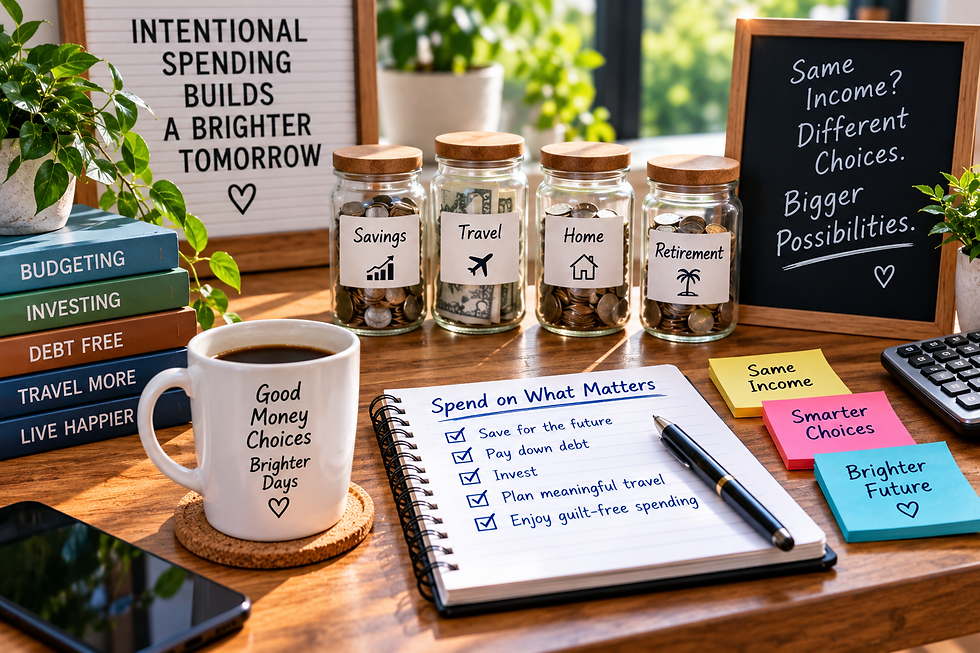
You might direct part of a raise toward an emergency fund, retirement contributions, debt payments, or another financial goal. You can still use some of the increase to improve your lifestyle.
The goal is not to avoid enjoying your money. It is to make sure your long-term priorities benefit from your higher income too.
Be Careful About Upgrading Fixed Costs
Some lifestyle upgrades are easier to reverse than others. Eating at restaurants less frequently is relatively simple, but reducing a large rent payment or expensive car loan may require a much bigger change.
Before increasing a major fixed expense, consider whether you could comfortably afford it if your income changed unexpectedly.
Keeping fixed costs manageable can give you more flexibility when other expenses appear.
Check Whether Your Spending Still Matches Your Priorities
You do not need to reject every upgrade to prevent lifestyle creep. Instead, periodically ask whether your spending still reflects what matters to you.
Look at how much you are saving compared with how much your lifestyle has expanded. If your income has grown but your savings and financial progress have not, it may be time to reconsider a few expenses.
Small adjustments can create room without requiring you to give up everything you enjoy.
Final Thoughts
Lifestyle creep can be difficult to notice because each individual upgrade may seem affordable. Over time, however, rising expenses can absorb much of the benefit of earning more.
Enjoying a higher income and building financial security do not have to conflict. Give new income a purpose, watch recurring and fixed expenses, and regularly check whether your spending supports the life and financial goals you actually want.
Comments