
Why Maintaining Muscle Matters More After Age 60


Growing older brings many physical changes, but losing strength does not have to be accepted as an unavoidable part of aging. After age 60, maintaining muscle becomes increasingly important for staying active, independent, and capable of handling everyday activities.
Muscle supports much more than appearance or athletic performance. It affects movement, balance, metabolism, bone health, and the ability to recover from periods of inactivity. Protecting muscle can therefore play an important role in healthy aging.
Muscle Naturally Declines With Age
Adults tend to lose muscle mass and strength as they get older. This age-related decline can accelerate later in life, especially when physical activity decreases.
Significant age-related loss of muscle mass and function is known as sarcopenia. Although aging contributes to the process, regular physical activity and appropriate resistance training can help older adults preserve strength and function.
Strength Supports Everyday Independence
Muscle strength helps with ordinary tasks that are easy to take for granted. Getting out of a chair, climbing stairs, carrying groceries, opening heavy doors, and getting up from the floor all require muscular strength.
Maintaining that ability can make it easier to continue living independently. Stronger muscles also give older adults more confidence to remain physically and socially active.
Strong Muscles Can Support Better Balance
Falls become a greater concern with age because they can cause serious injuries and limit independence. Muscle strength, particularly in the legs and core, contributes to balance and stability.
Strength training alone cannot prevent every fall, but improving strength can be one part of a broader fall-prevention approach that also considers balance, vision, medications, footwear, and the home environment.
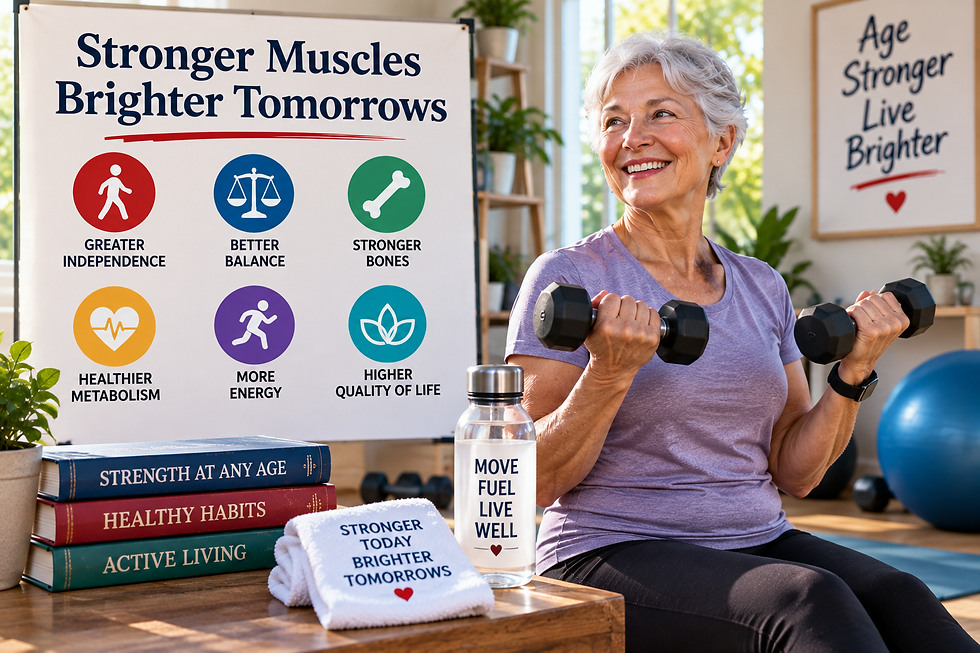
Muscle and Bone Health Are Connected
Bones and muscles work together whenever you move. Resistance and weight-bearing activities place appropriate stress on the musculoskeletal system, helping the body maintain its ability to handle everyday physical demands.
Exercise is also an important part of supporting bone health as people age. Individual needs vary, particularly for people with osteoporosis or other health conditions, so exercises may need to be modified.
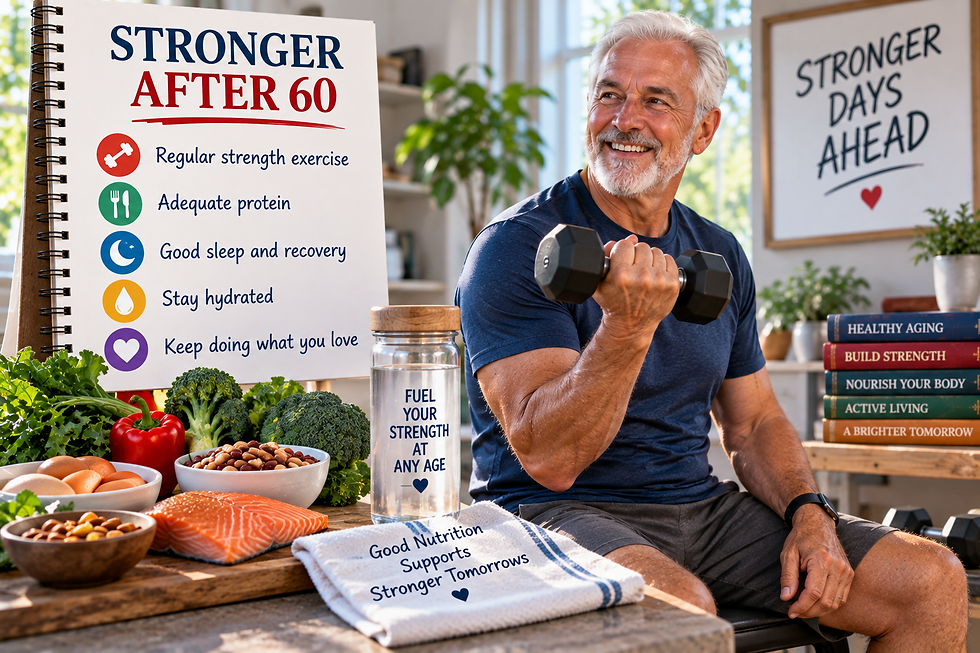
Muscle Supports Metabolic Health
Skeletal muscle plays an important role in how the body uses glucose. Maintaining muscle and staying physically active can support healthy metabolism as people grow older.
Physical activity also supports cardiovascular health, mobility, and overall fitness. Maintaining muscle should therefore be viewed as one part of a broader healthy lifestyle rather than an isolated fitness goal.
Resistance Training Can Help
You do not necessarily need a gym or heavy weights to challenge your muscles. Resistance bands, light dumbbells, machines, and bodyweight movements can all provide resistance when used appropriately.
Exercises such as chair stands, wall push-ups, and controlled resistance-band movements may be practical starting points for some older adults. The appropriate exercise depends on current strength, mobility, experience, and medical considerations.

Protein and Recovery Matter Too
Exercise provides the stimulus for maintaining muscle, but nutrition and recovery also matter. Eating adequate protein as part of a balanced diet gives the body amino acids needed to maintain and repair muscle tissue.
Sleep and recovery are also important. Anyone with kidney disease, dietary restrictions, or other medical concerns should discuss major changes in protein intake or exercise with an appropriate healthcare professional.
Final Thoughts
After age 60, maintaining muscle is about much more than looking fit. Strength supports mobility, balance, daily activities, metabolic health, and the ability to remain independent.
Small, consistent efforts can make a meaningful difference. Regular resistance exercise, balanced nutrition, adequate recovery, and activities suited to your abilities can help preserve strength and support a more active life as you age.
Comments